

Hey Chosen Ones, this week we’re discussing what to hold onto when the answer arrives before the roadmap does THE FIRST DIAGNOSIS.
A first autism diagnosis can feel like an answer and a beginning at the same time. For some families, it brings relief because there is confirmation on what you saw. For many others, it brings grief, fear, or pressure to make every right move immediately.
This week’s is simple: the diagnosis is not the whole roadmap. It is the first anchor point for building context, asking better questions, and choosing the next right step. Let’s connect the dots.
TODAY IN THE COA WEEKLY
🧭 First diagnosis, first direction

A diagnosis can explain patterns that were already present. It can open doors to services, supports, school planning, and better communication. But it does not define the whole child, and it does not predict the full future. It gives the family a clearer roadmap. So you can understand, ask questions, and make the best decision for you and your family. One step at a time, together.
Ages 0–5
Signal
A first autism diagnosis in the early years can help families move from uncertainty into clearer next steps, including referrals, early intervention, hearing checks, school-district evaluation after age 3, and organizing the diagnostic report.
What This Means
Families in this age band often receive a lot of new language at once: diagnosis, evaluation, therapy, eligibility, early intervention, developmental delay, services. The most helpful first move is not to understand everything immediately, but to identify what the evaluation says, what referrals are being recommended, and which systems now need to be contacted.
Course of Action
Keep a copy of the diagnostic report, write down the recommended referrals, and ask the evaluating provider which next step should happen first based on your child’s age and needs.
Source: HealthyChildren.org
Ages 6–12
Signal
For school-age children, an autism diagnosis can help clarify support needs, but school services are usually shaped by educational evaluation, classroom impact, eligibility, and the child’s learning needs.
What This Means
Families in this age band often have to translate a medical diagnosis into a school conversation. The diagnosis may explain patterns that were already showing up in the classroom, but the next step is usually understanding what the school sees, what evaluations are needed, and whether an IEP or 504 plan may fit the child’s needs.
Course of Action
Bring the diagnostic report to the school team and ask what evaluation, eligibility, or support-planning process is needed to understand how the diagnosis affects learning and participation.
Ages 13–18
Signal
A teen autism diagnosis is not too late; it can help organize support around school, mental health, medical follow-up, self-advocacy, accommodations, and transition planning.
What This Means
Families of teens may feel pressure to catch up quickly after a first diagnosis. But the more useful frame is alignment: what the teen understands about themselves, what school supports are needed, what health or behavioral supports should be clarified, and what planning may matter as adulthood gets closer.
Course of Action
Use the diagnostic report to start a structured conversation with the school and care team about accommodations, transition planning, and what the teen needs to better understand and participate in their own support plan.
Ages 18+
Signal
For adults, a first autism diagnosis can support self-understanding, documentation, identity, and access to accommodations at work, school, or in daily life.
What This Means
Adult diagnosis can bring clarity after years of masking, coping, or not having language for certain patterns. The value is not in rewriting the past, but in understanding what support, boundaries, accommodations, or care conversations may make life more workable going forward.
Course of Action
If pursuing or processing an adult diagnosis, gather past records when available, write down current support needs, and consider where documentation may help clarify accommodations or care planning.
Source: Autism Speaks
Prompt of the week
Copy this prompt and paste it into your preferred AI model to turn your observations into structured appointment notes.
“Help me turn the following observations into a one-page appointment prep note for [ insert provider ] . Organize them by what changed, when it started, where it happens, and what questions I should ask.”
Community Pulse
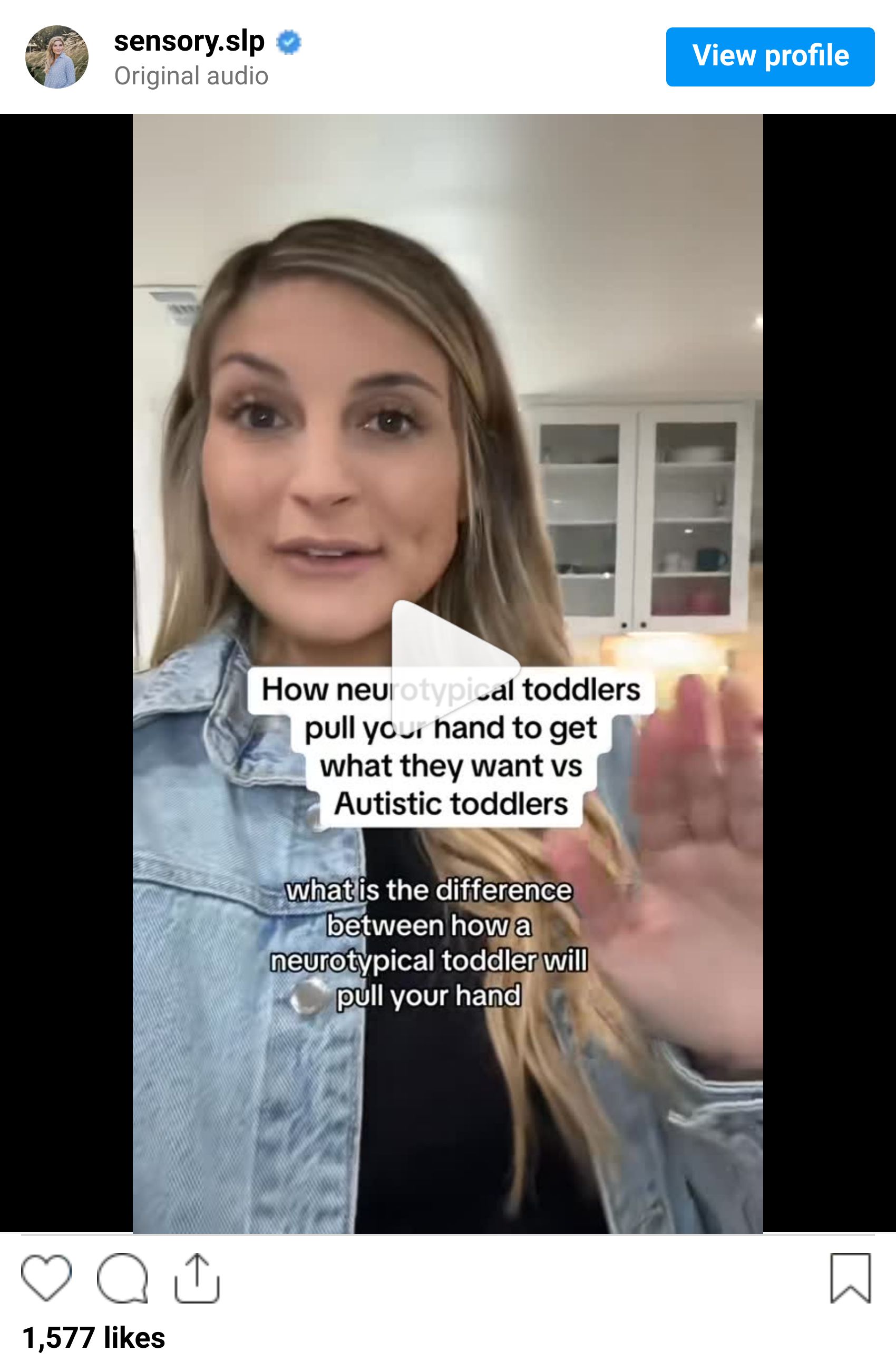
@sensory.slp
Some families can point to a single moment when they first noticed something. A small hand wrapped around a finger, pulling not asking, leading. Hand leading is one of the earliest signals that can surface in a child's communication before words arrive, and before anyone has a name for what they're seeing. We picked this post because it gives language to a moment many families have already lived. Knowing what something is called doesn't change what happened but it can change what comes next.
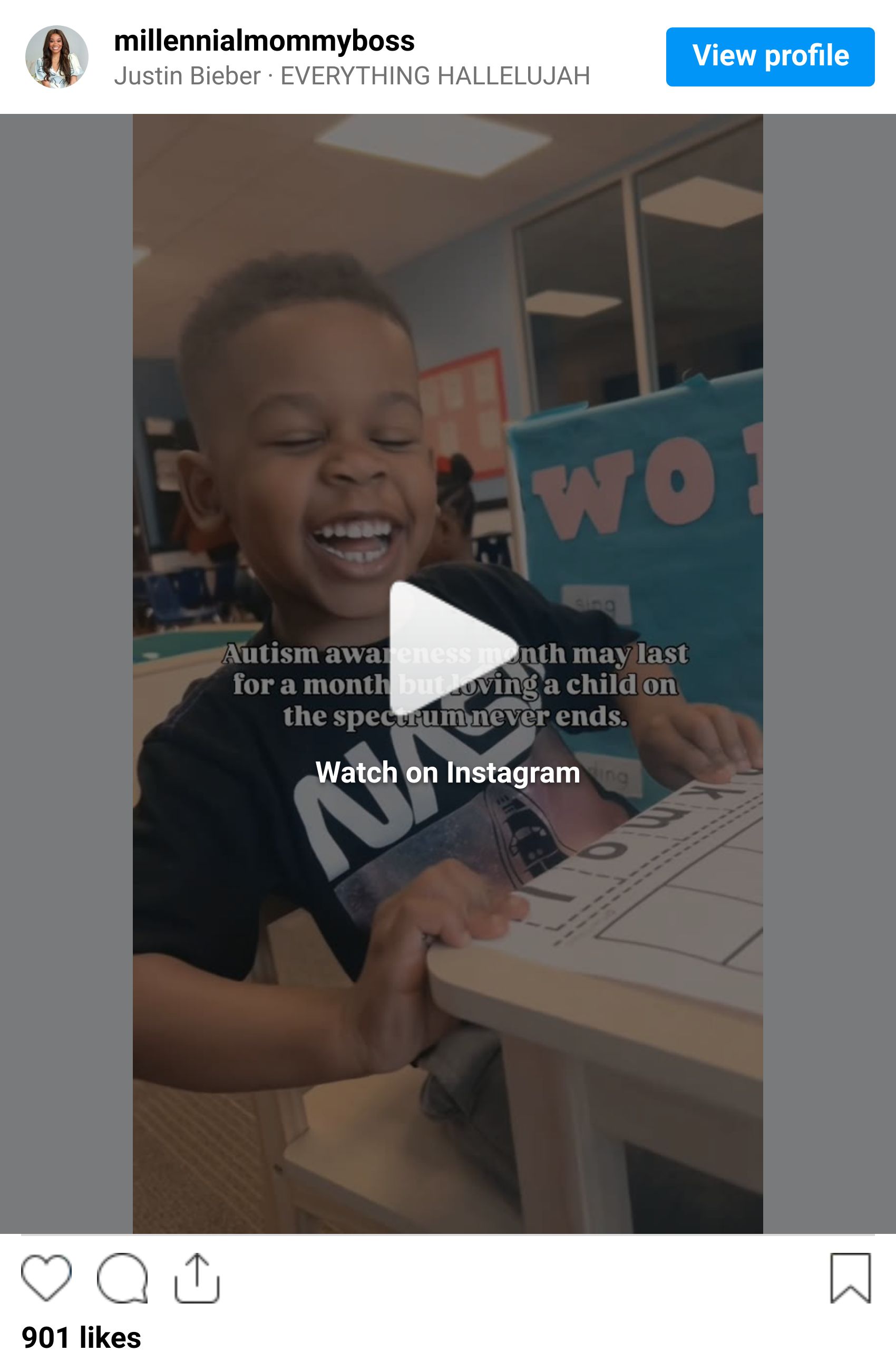
@millennialmommyboss
Caregivers are constantly teaching the world how to understand their child — their needs, their triggers, their communication, their joy, and their hard moments. This post reminds us that autism is not something to fear or diminish. It is a different way of experiencing the world, and every child deserves to be supported with dignity.
Until next week,
The COA